



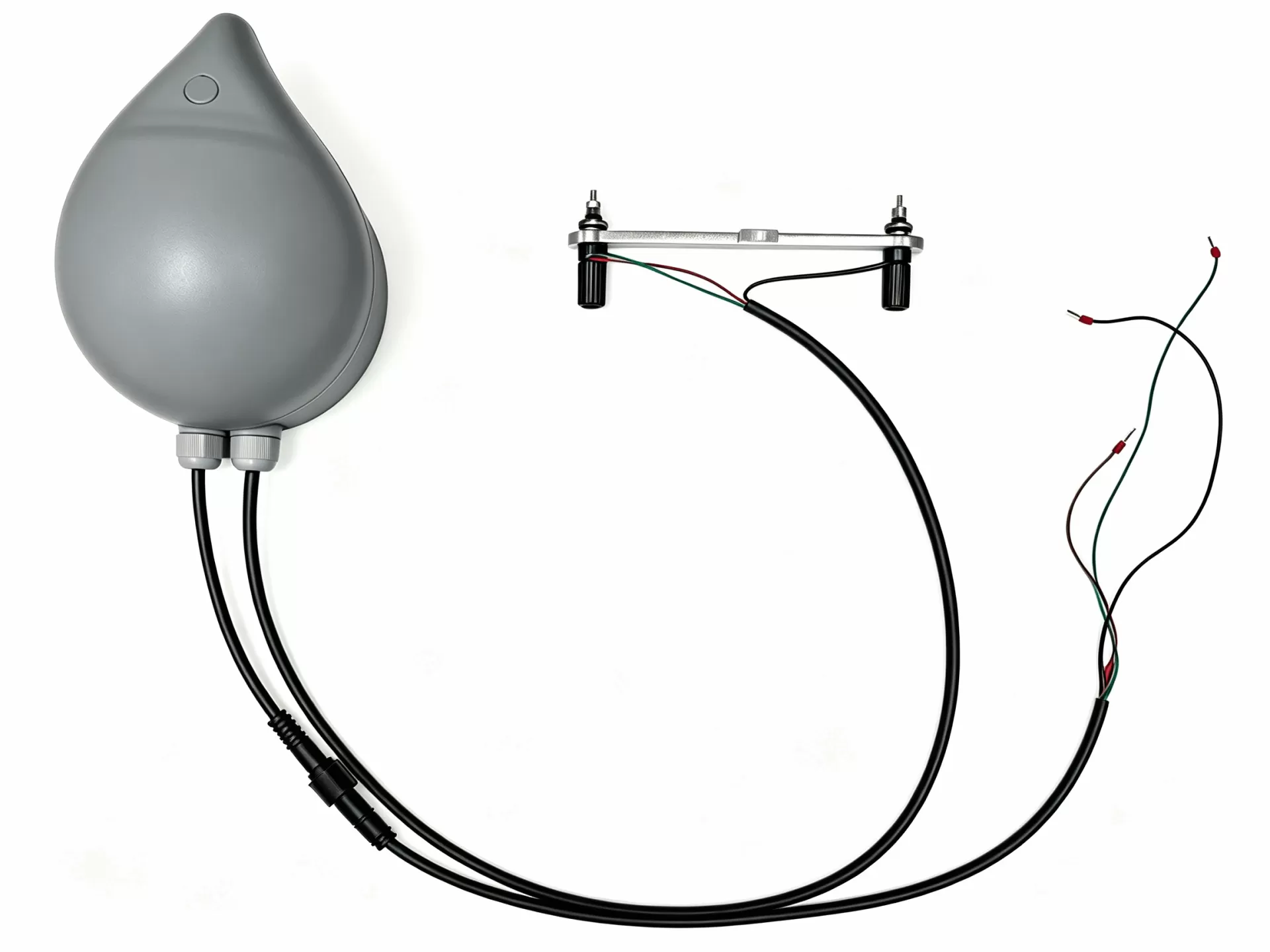
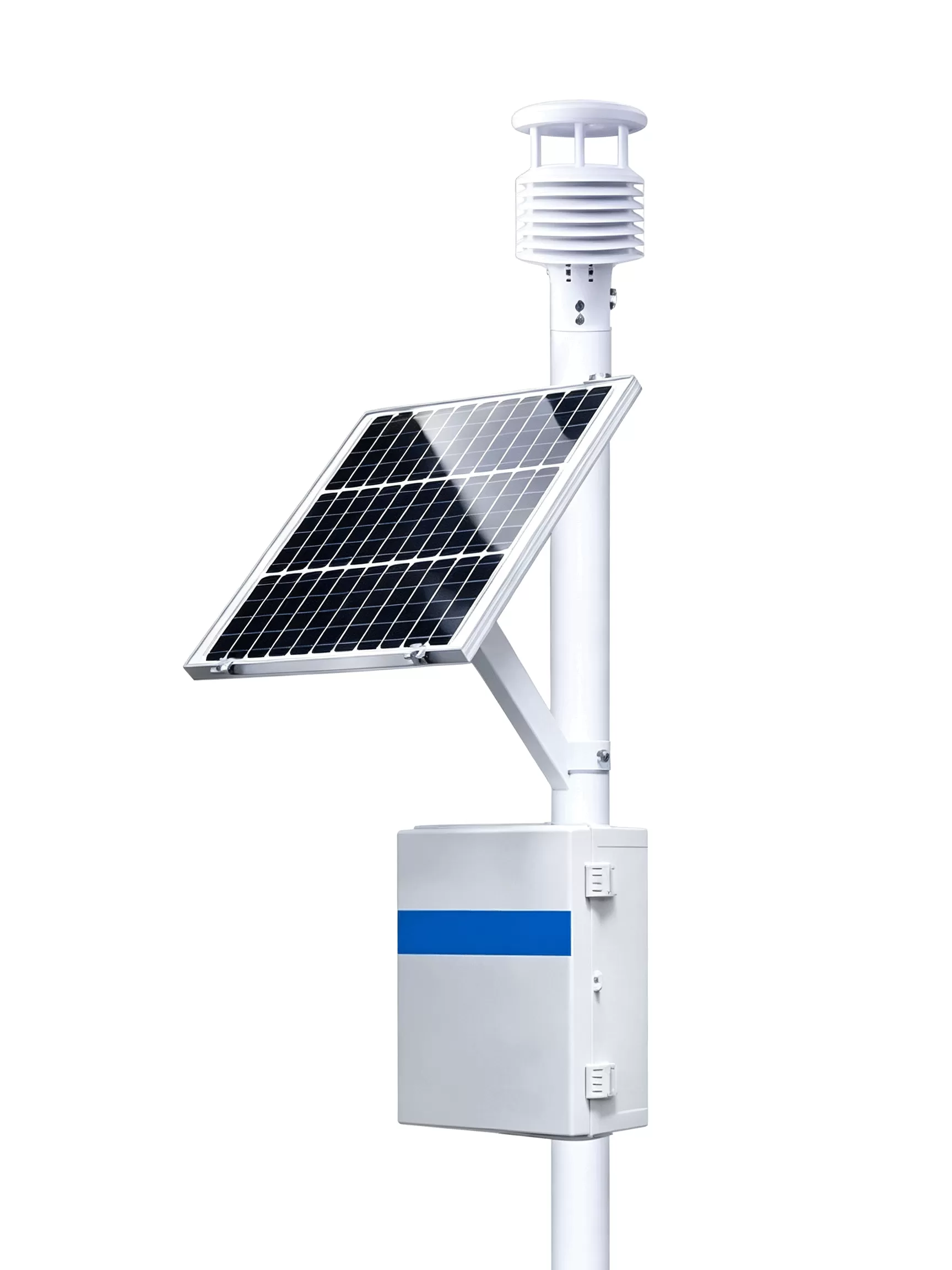
Micro Weather Sensor
Modular multi‑parameter selection, high‑precision ultrasonic wind measurement, standard Modbus protocol, dual‑mode WIFI/RS485 communication, IP66 industrial protection, EMC anti‑interference certification, full‑dimensional ODM/OEM customization
Specification parameters
Model | Standard Communication | Optional Custom Communication | Core Configuration | Application Scenarios |
|---|---|---|---|---|
Basic Micro‑Meteorological Sensor | RS485, WIFI | 4G customization | Standard: temperature‑humidity, wind speed‑direction, atmospheric pressure, optical rainfall | General plants, power distribution stations, ordinary outdoor sites |
Enhanced Micro‑Meteorological Sensor | RS485, WIFI | 4G customization | Basic configuration + PM2.5/PM10, noise, illuminance | Park environmental protection, traffic routes, municipal monitoring points |
Customized Micro‑Meteorological Sensor | RS485, WIFI | 4G customization | Fully customized monitoring parameters, measuring ranges and appearance | Special industries and customized project requirements |
Parameter Item | Standard Specification |
|---|---|
Communication Method | Standard: RS485, WIFI; Optional: 4G customization |
Supported Protocols | Modbus‑RTU, MQTT, Modbus‑TCP (expandable & customizable) |
Main Control Chip | 32‑bit Industrial‑grade MCU |
Standard Monitoring Parameters | Temperature, Humidity, Wind Speed, Wind Direction, Atmospheric Pressure, Optical RainfallOptional: Noise, PM2.5/PM10, Illuminance |
Temperature Measuring Range | ‑40℃ ~ +80℃; Accuracy: ±0.3℃ @25℃ |
Humidity Measuring Range | 0~95% RH (non‑condensing); Accuracy: ±3% RH (5~95% RH) |
Wind Speed Measuring Range | 0~60 m/s; Accuracy: ±(0.2 m/s ±0.02*V); Withstand 75 m/s gust |
Wind Direction Measuring Range | 0~359° full azimuth; Accuracy: ±3° |
Atmospheric Pressure Range | 0~120 kPa; Accuracy: ±0.15 kPa @25℃ /75 kPa |
Optical Rainfall | Resolution: 0.1 mm; Accuracy: ±5%; Max instantaneous rate:24 mm/min |
PM2.5/PM10 Range | 0~1000 μg/m³; Accuracy: ±10% |
Noise Measuring Range | 30~120 dB; Accuracy: ±0.5 dB |
Illuminance Range | 0~200000 Lux; Accuracy: ±7% |
Power Supply | DC10‑30V wide‑voltage DC; Optional: Solar + energy‑storage battery power supply |
Operating Environment | ‑40℃ ~ +80℃, 0~95% RH (non‑condensing) |
Enclosure Protection Rating | IP66 dust‑proof and water‑proof |
Installation Method | Pole‑mount installation with full set of mounting accessories |
Product Certification | EMC Electromagnetic Compatibility Certification |
Customizable Items | Monitoring‑parameter configuration, range & precision, communication parameters, device appearance, LOGO, packaging, protocol adaptation & development |
Product Overview
Micro‑Meteorological Sensor
Core Selling Tags
Modular multi‑parameter selection, high‑precision ultrasonic wind measurement, standard Modbus protocol, dual‑mode WIFI/RS485 communication, IP66 industrial protection, EMC anti‑interference certification, full‑dimensional ODM/OEM customization
Product Overview
Traditional meteorological monitoring for substations, transmission lines, photovoltaic power stations, industrial parks, farmlands and expressways relies on large‑scale weather stations. Such stations feature high deployment costs and sparse coverage, making real‑time local micro‑meteorological data unavailable. Excessive local wind speed may trigger line breakage; high temperature and humidity accelerate ageing of power equipment; heavy rain, strong wind, haze and dust will directly threaten the safe operation of power grid and PV facilities. Periodic manual on‑site inspection suffers poor timeliness and fails to give advance warning of equipment failures caused by extreme weather.
The integrated micro‑meteorological sensor is a multi‑parameter integrated monitoring hardware developed for outdoor industrial scenarios. Adopting a compact integrated structure, it embeds multiple sensing modules including ultrasonic wind speed & direction, temperature & humidity, atmospheric pressure, optical rainfall, PM2.5/PM10, noise and illuminance. Monitoring parameters can be freely added or removed according to project requirements. Equipped with dual‑mode WIFI and RS485 by default, with 4G available for custom order, it adopts standard industrial communication protocols to seamlessly connect with third‑party industrial control systems, configuration software and monitoring platforms. It collects local micro‑meteorological data round‑the‑clock and uploads status such as excessive wind speed or abnormal temperature‑humidity in real‑time. It replaces manual outdoor inspection to realize unattended meteorological monitoring for outdoor sites and prevent equipment safety accidents induced by extreme weather in advance.
The unit adopts an integrally‑cast structure with hidden probes. Its ultrasonic wind measurement has no rotating mechanical parts, resisting snow‑rain accumulation, frost and sunlight exposure. Rated IP66 dust‑proof and water‑proof, the full series passes EMC electromagnetic compatibility certification. It runs stably for long periods in harsh environments such as substations, open fields, dusty and high‑humidity conditions without data drift or distortion. Full‑range ODM & OEM customization is supported to adapt to project delivery requirements of various industries and regions.
Core Product Advantages
- Integrated Ultrasonic Design, Maintenance‑free with No Mechanical Wear
It adopts ultrasonic time‑difference wind measurement technology with no starting‑wind‑speed limit, measuring wind speed and direction in full 360° simultaneously. Free of mechanically worn components such as rotating shafts and bearings, it delivers long service life. Built‑in random‑error identification technology ensures low measurement dispersion and stable output under high‑wind conditions. The integrally sealed cast housing with hidden sensing probes avoids measurement deviation caused by snow or rain coverage and prevents freezing in low‑temperature environments. Frequent on‑site cleaning and calibration are unnecessary for long‑term outdoor operation, greatly cutting operation & maintenance costs. - Freely Selectable Monitoring Parameters for Flexible On‑demand Configuration
Modular sensing units allow independent addition or removal of parameters: temperature‑humidity, wind speed‑direction, atmospheric pressure, optical rainfall, noise, PM2.5/PM10, illuminance. Measuring range and precision can be adjusted for project‑specific needs. Custom monitoring configurations match scenarios for power, agriculture, parks and transportation, eliminating redundant functions and controlling project costs. - Standardized Communication Protocols for Flexible Third‑party System Integration
Dual‑mode RS485 and WIFI come as standard; 4G is available on request. The RS485 interface complies with Modbus‑RTU. Communication address and baud rate are configurable. Maximum transmission distance reaches 2000 m, supporting multi‑device parallel networking on a single bus for direct connection to PLCs, industrial meters and HMI panels. WIFI supports IoT protocols including MQTT and Modbus‑TCP for connecting diverse third‑party monitoring platforms and data middle‑platforms. It supports remote parameter configuration, active real‑time data upload and trigger‑based alarm reporting, featuring flexible networking and strong adaptability. - Industrial‑grade All‑weather Protection for Complex Outdoor Environments
High‑strength anti‑corrosion housing with full sealing glue achieves IP66 dust‑proof and water‑proof performance, resisting high‑temperature exposure, rain‑snow frost, dust and salt‑spray erosion. Operating temperature: ‑40℃ ~ +80℃, suitable for all open‑air field conditions. Dedicated built‑in electromagnetic shielding circuit and EMC certification guarantee unbroken communication and undistorted measured data under heavy electromagnetic interference near high‑voltage substation equipment and transmission lines, meeting strict industrial standards. - High‑precision Sensing Units for Stable and Reliable Measurement
High‑precision ultrasonic wind‑measurement module together with industrial‑grade temperature‑humidity, barometric and optical rainfall sensors. Every parameter is multi‑point calibrated before factory delivery, featuring high precision and fast response. Data of wind, temperature‑humidity and rainfall stay stable without abrupt jumps, complying with monitoring standards for power, environmental protection and transportation industries. - Multiple Power‑supply Solutions for Convenient & Efficient Deployment
Wide‑voltage DC power supply DC10‑30V; solar panel plus energy‑storage battery autonomous power supply is optional for long‑term operation at off‑grid field sites. Pole‑mount installation with complete mounting accessories enables quick commissioning by ordinary construction staff and shortens project lead time. - Full‑dimensional ODM/OEM Customization Service
Comprehensive customization covers parameter combinations, measuring range & precision, communication protocols, housing appearance, silk‑screen LOGO and neutral packaging. Secondary development of software & hardware and protocol adaptation are supported for seamless integration with third‑party industrial‑control devices and platforms. Both small‑batch and mass‑volume orders are acceptable to satisfy customized project demands across industries and regions.
Communication & Integration Capabilities
This unit is a pure hardware data acquisition terminal, not locked to proprietary cloud platform or mobile APP. It focuses on meteorological data acquisition and standardized transmission to satisfy third‑party system integration requirements of various projects.
- Industrial‑site Integration: RS485 follows Modbus‑RTU with CRC check. Directly compatible with mainstream PLC, KingView, ForceControl and other configuration software to merge into existing industrial automatic‑control systems. Multi‑device parallel networking on single bus is supported.
- IoT Platform Integration: WIFI/4G supports universal protocols such as MQTT and Modbus‑TCP to connect customer‑owned monitoring platforms, industry cloud platforms and data middle‑platforms. Data format and reporting cycle can be adjusted on demand.
- Data Transmission: Supports active reporting of real‑time meteorological data and trigger‑based uploading of over‑limit alarms. Device operating status, sampled values and abnormal alarms can be fully synchronized to connected systems.
- Expandability: Custom protocol adaptation and data‑format modification are available upon project requirements. Complete protocol documents and technical support are provided for diverse customized integration demands.
Application Scenarios
Power Industry
Outdoor substations, high‑voltage transmission tower corridors, PV‑energy storage power stations, wind‑power bases, power cable tunnels, outdoor box‑transformer monitoring sites
New Energy PV / Wind Power
Centralized PV power stations, distributed rooftop PV, mountain wind farms, PV meteorological irradiance monitoring sites
Transportation Infrastructure
Expressway routes, tunnel portals, bridge meteorological monitoring, meteorological early‑warning for mountain road slopes
Agriculture, Forestry & Water Conservancy
Farm planting bases, orchards & tea gardens, reservoir areas, river flood‑control rainfall monitoring stations
Urban Park & Environmental Protection
Open‑air zones of industrial parks, urban road dust monitoring, parks & scenic spots, rooftop environmental monitoring of buildings
Municipal Public Works
Mini meteorological observation stations, airport peripheries, dust‑noise monitoring for landfills
Related Products
Water Leakage & Electrification Sensor
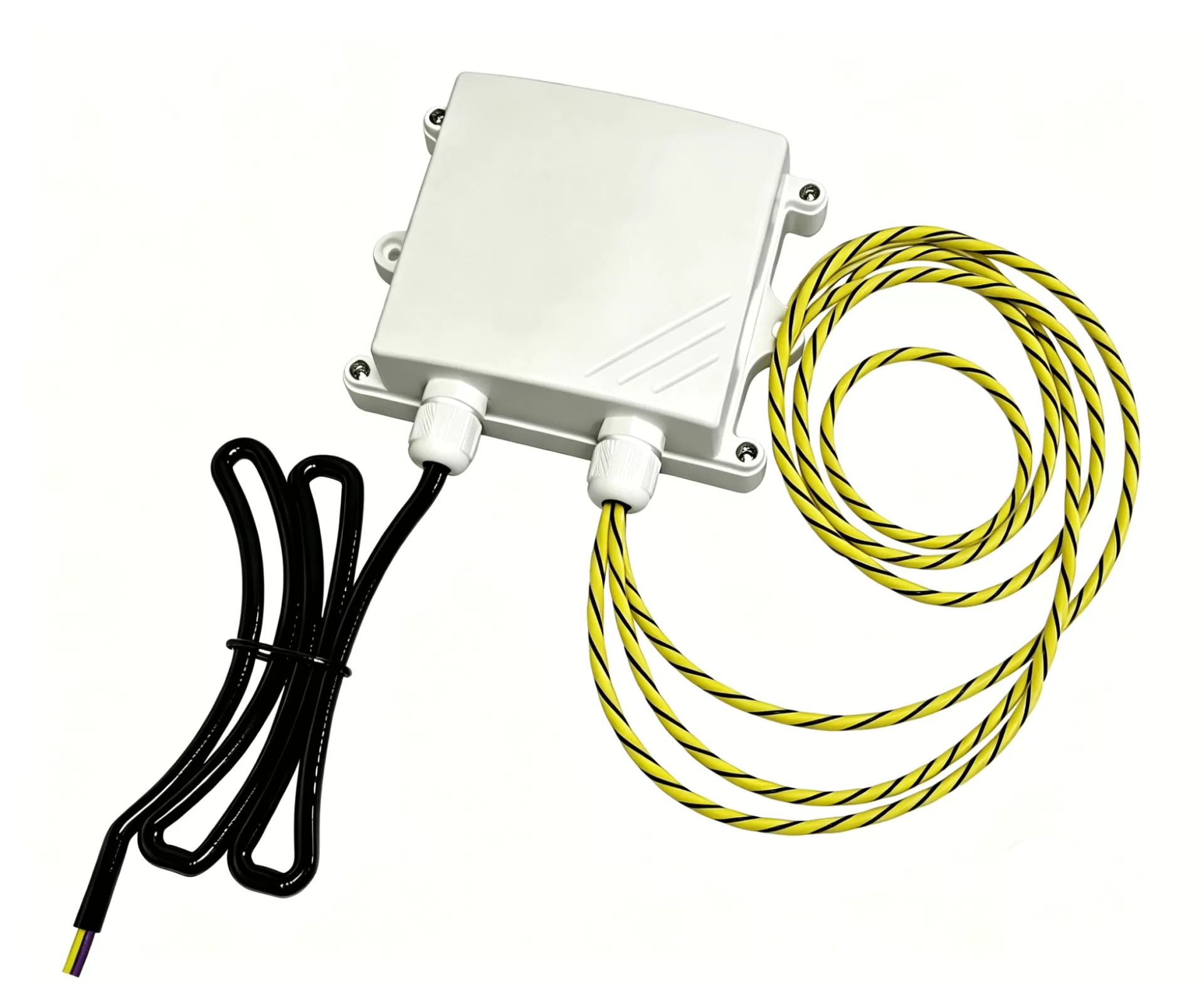
Water Leak Sensor 
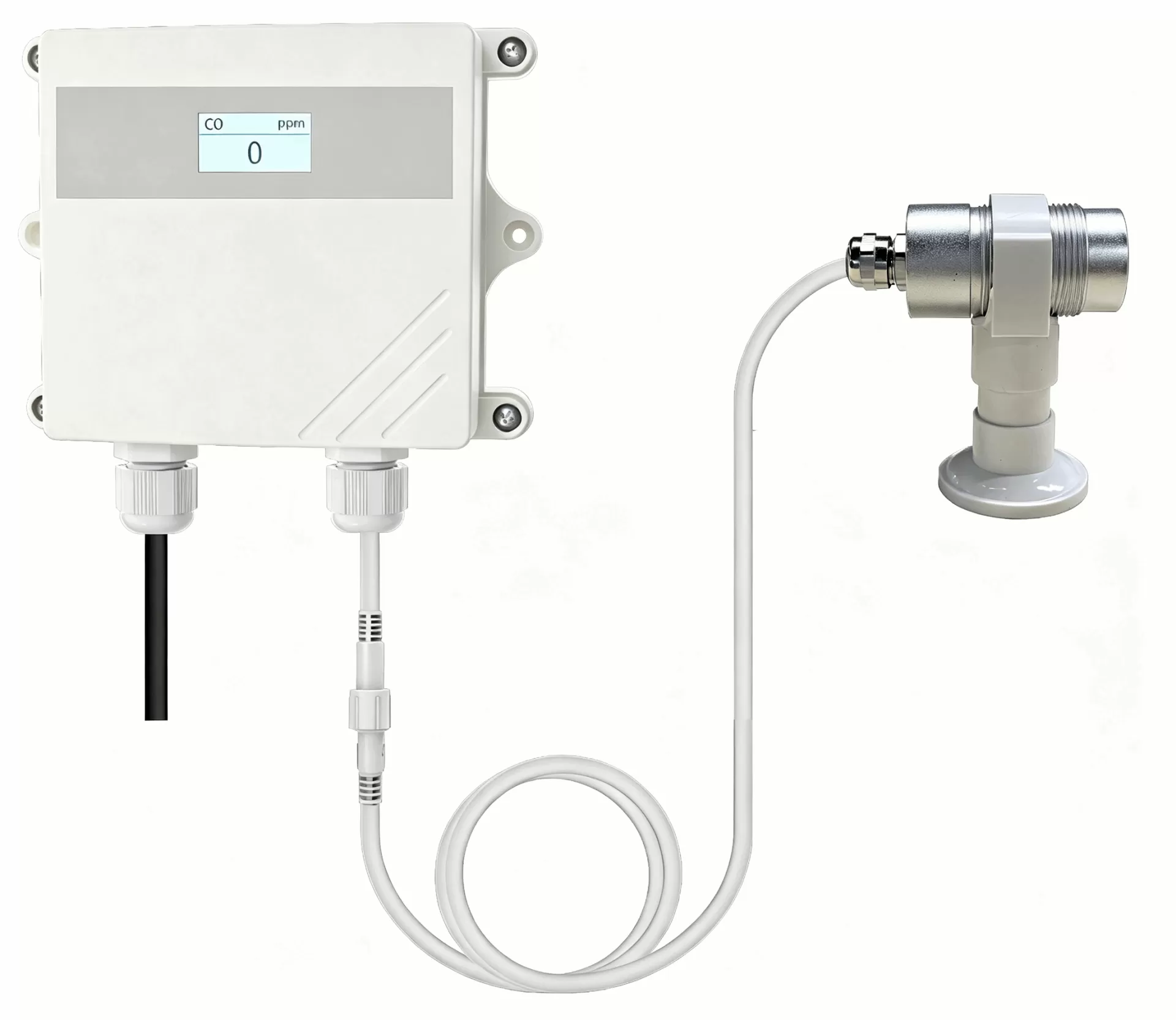
Toxic Gas Detector
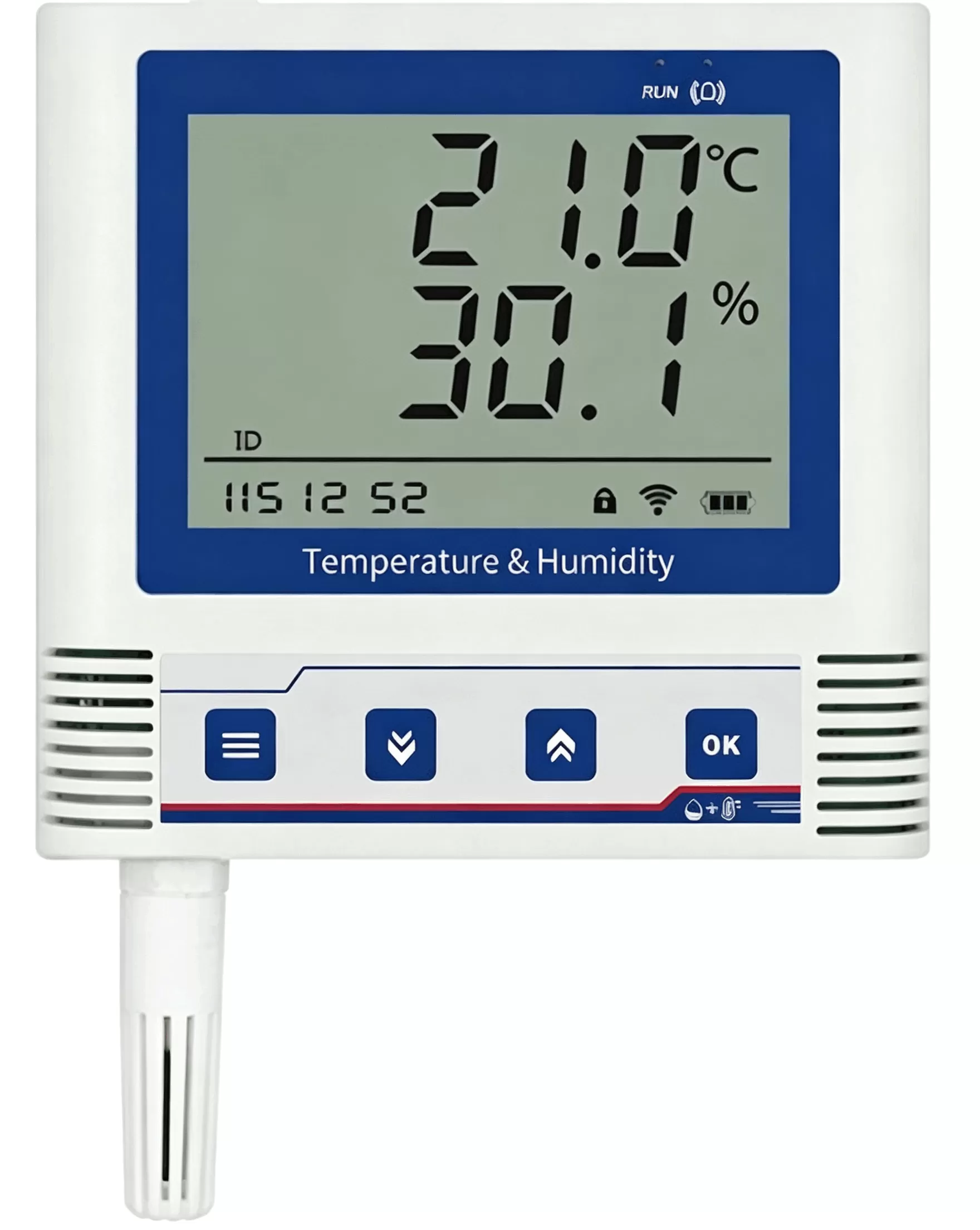
Temperature & Humidity Sensor
Micro Weather Sensor

HAOSHENGBeing Smart, Being Intelligent
From initial concept to final development, our expert product engineers deliver tailored hardware and software solutions-ready to assist you immediately.
Work with trusted partner.
Get Fast, Accurate Quotes Tailored to Your Project
Access complete product information, specifications, and data sheets
Explore Comprehensive Product Details