



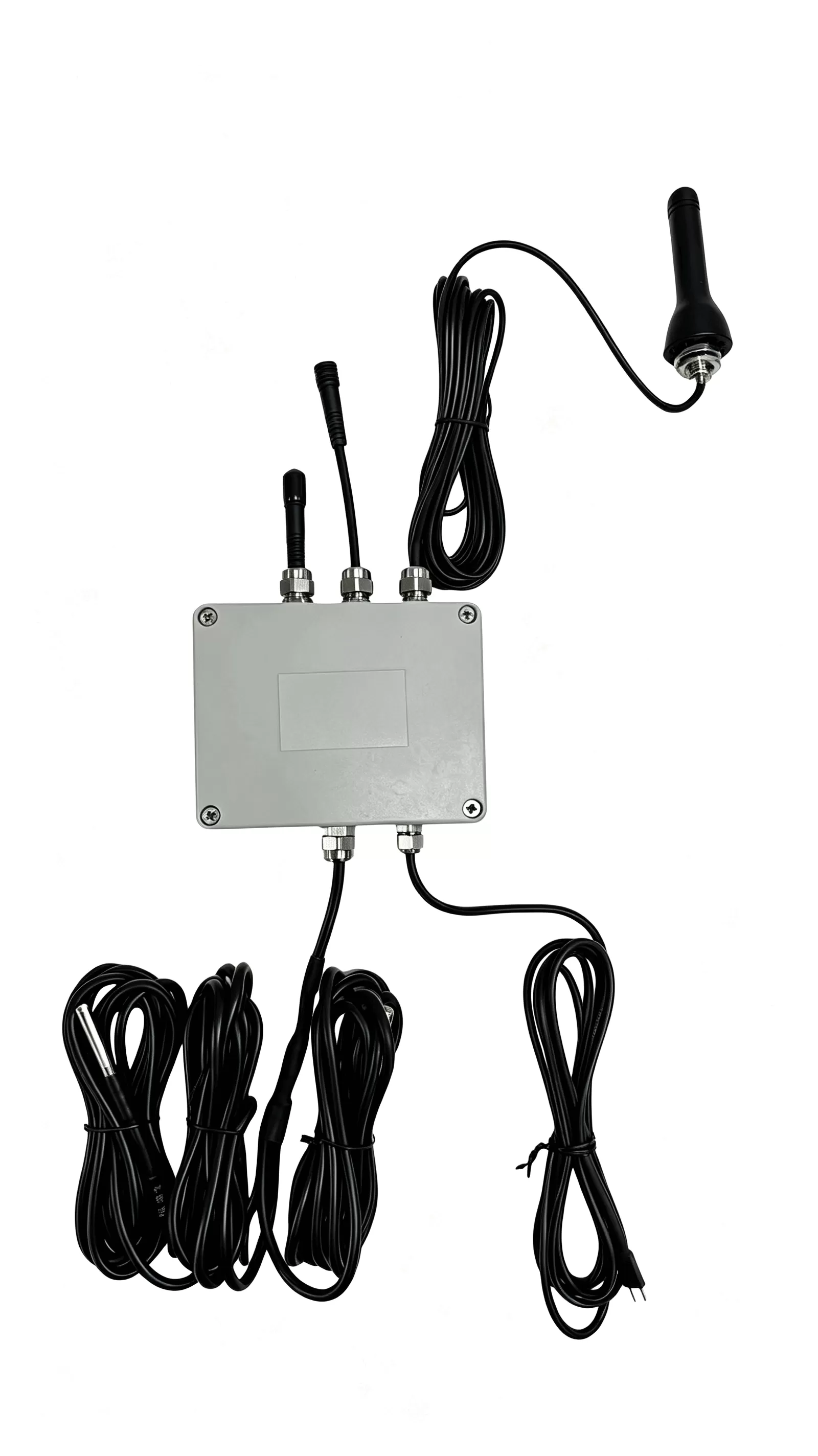
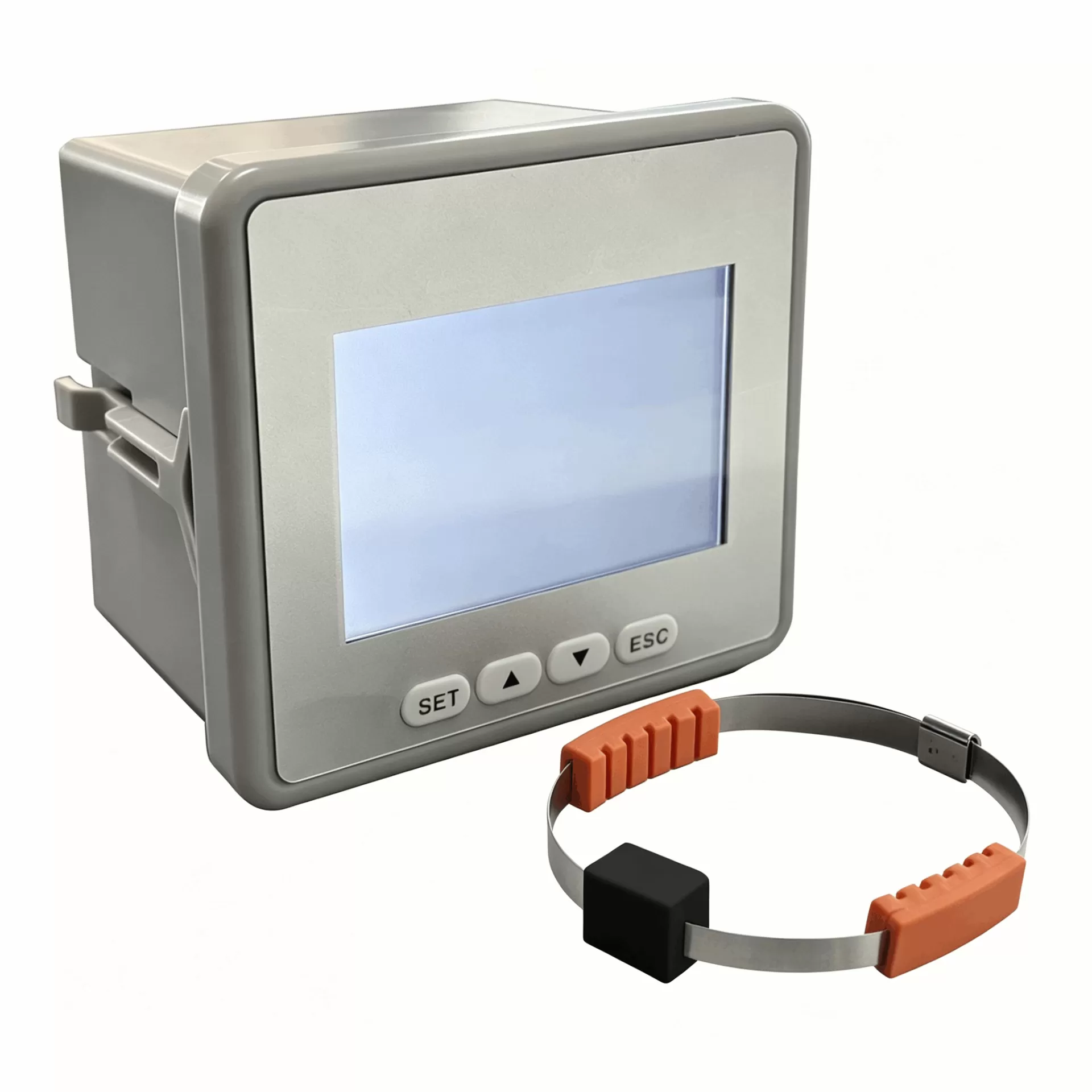
CT Passive Temperature-measuring Kit
CT‑induction passive power harvesting, dual‑mode RS485/WIFI communication, standard Modbus protocol, high‑low‑voltage electrical isolation, up to 240 measuring points per host, 10‑year service life, full‑dimensional ODM/OEM customization
Specification parameters
Product Model Classification
Complete‑kit Type | Passive Sensor Model | Temperature‑measuring Host Model | Complete‑kit Configuration Features | Application Scenarios |
|---|---|---|---|---|
Standard Complete Kit with RS485+WIFI | HS‑CT‑WF | HS‑CT‑HF‑S | Passive CT temperature‑measuring sensor + embedded acquisition host; dual RS485+WIFI communication as standard, local screen display and audio‑visual alarm | On‑site power‑distribution rooms, box‑type transformers, wired‑networked substations, factory internal power‑distribution rooms |
4G‑customized Complete Kit | HS‑CT‑WF | HS‑CT‑HF‑G | Passive CT temperature‑measuring sensor + customized acquisition host; triple‑mode RS485+WIFI+4G communication with customizable frequency bands | Outdoor box‑type transformers, remote substations, power‑distribution sites without internal network, PV‑energy‑storage step‑up stations |
Complete Technical Specifications
Passive CT Temperature‑measuring Sensor (HS‑CT‑WF)
Parameter Name | Index | Parameter Name | Index |
|---|---|---|---|
Temperature Measuring Range | ‑40℃~125℃ | Measurement Accuracy | ±0.5℃ at ambient temperature; ≤±1℃ full‑range |
Temperature Resolution | 0.1℃ | Communication Mode | 433 MHz Industrial Wireless |
Power Supply Mode | CT induction energy harvesting, start‑up current ≥5 A | Wireless Transmission Distance | ≥300 m (open area) |
Service Life | 10 years | Operating Temperature | ‑40℃~+85℃ |
Maximum Withstand Temperature | 155℃ for 2 hours; 250℃ for ≤4 seconds | Installation Method | Steel‑strap binding |
Overall Dimension | 26 mm×22 mm×10 mm | Ingress Protection | IP65 |
Wireless Temperature‑acquisition Host (HS‑CT‑HF)
Parameter Item | Standard Specification |
|---|---|
Receiving Capacity | Max. 240 bound passive temperature‑measuring sensors |
Display Screen | 3.2‑inch color LCD, resolution 320*240 |
Local Operation | 4 function keys, password‑permission setting supported |
Local Alarm | Overtemperature anomaly highlighted in red + audio‑visual prompt |
Standard Communication Interfaces | RS485 (Modbus‑RTU), WIFI (Modbus‑TCP / MQTT) |
Optional Communication | 4G (customizable frequency bands) |
Power‑supply Input | AC220V; optional DC12/24V |
Total Power Consumption | ≤10 VA |
Operating Temperature | ‑20℃~+70℃ |
Operating Humidity | ≤90% RH, non‑condensing |
Cut‑out Dimension | 92.5 mm×72.95 mm |
Installation Method | Embedded cabinet mounting |
Configuration Method | Local configuration via PC upper‑computer software |
Customizable Items | Access capacity, communication protocols, device appearance, LOGO, packaging, alarm thresholds |
Product Overview
Core Selling Tags
CT‑induction passive power harvesting, dual‑mode RS485/WIFI communication, standard Modbus protocol, high‑low‑voltage electrical isolation, up to 240 measuring points per host, 10‑year service life, full‑dimensional ODM/OEM customization
Product Overview
Conductive components such as busbar contacts, circuit‑breaker contacts, cable joints and current transformers inside low‑voltage switchgears operate under heavy current for long periods. Rising contact resistance easily causes abnormal temperature rise. Excessive high temperature may trigger serious power‑safety accidents including contact ablation, cabinet fire and total‑station power outage. Traditional manual infrared inspection suffers long inspection intervals, delayed hazard detection and inability for 24‑hour online monitoring. Wired temperature‑measurement solutions require complex cabling and cannot achieve high‑low‑voltage electrical isolation. Conventional battery‑powered temperature sensors need periodic power‑off for battery replacement, bringing high O&M costs and fire risks.
The Haosheng CT passive wireless temperature‑measuring complete kit consists of CT passive wireless temperature sensors and a wireless temperature‑acquisition host. No external power supply is required for sensors; energy is harvested from alternating busbar current via CT induction, completely eliminating risks of battery leakage, high‑temperature swelling and ignition. Temperature sensors are fixed on heat‑generating conductive contacts and transmit temperature data to the acquisition host over the 433 MHz industrial wireless band. The local color screen on the host displays real‑time readings of all measuring points and triggers local audio‑visual alarms upon overtemperature. Equipped with dual‑mode RS485 and WIFI interfaces by default and supporting mainstream industrial protocols such as Modbus, the device seamlessly connects with third‑party industrial‑control systems and power‑monitoring platforms without binding to proprietary backend systems. It realizes complete high‑low‑voltage electrical isolation and requires no modification to the primary main circuit of switchgears.
This solution is suitable for digital retrofits with batch temperature‑measurement requirements in substations, power‑distribution rooms, box‑type transformers and ring main units. It provides 7×24‑hour uninterrupted online monitoring of thermal hazards on conductive contacts, greatly mitigating power‑fire risks and reducing manual on‑site inspection workload.
Core Product Advantages
- CT‑induction Passive Power Harvesting, 10‑year Maintenance‑free Operation with No Battery Replacement
Built‑in high‑precision CT energy‑harvesting unit in sensors; energy can be induced when busbar current ≥5 A. No built‑in lithium battery, which eliminates hazards such as battery leakage and high‑temperature swelling‑ignition. Designed service life reaches 10 years. No sensor disassembly or replacement is required throughout the switchgear lifecycle, which significantly cuts power‑off‑maintenance frequency. - Complete High‑low‑voltage Isolation, No Modification to Primary Main Circuit
Pure‑wireless 433 MHz data transmission creates no electrical connection between sensors and acquisition host, achieving full physical isolation between high‑voltage primary side and low‑voltage secondary side. Installation demands no wire disconnection and keeps original switchgear wiring intact. Construction complies with power‑safety specifications. Sensors can be rapidly bound and fixed using dedicated steel straps and cushion pads for efficient deployment. - Large‑capacity Networking per Single Host, Supporting up to 240 Temperature‑measuring Points
One temperature‑measuring host can bind and receive data from maximum 240 passive temperature sensors. Multiple contacts inside one switchgear or along an entire busbar can be monitored simultaneously. It adapts to batch temperature‑measurement retrofits for large‑scale power‑distribution rooms, reduces host purchase quantity and lowers overall project cost. - Standardized Multi‑protocol Communication for Flexible Third‑party‑system Integration
Dual‑mode RS485 and WIFI are standard; 4G is available upon custom request. The RS485 interface complies with Modbus‑RTU industrial protocol and can directly access power SCADA, PLC automatic‑control systems and general configuration software. WIFI supports IoT protocols including Modbus‑TCP and MQTT for flexible connection to various third‑party monitoring platforms and data middle‑platforms, delivering flexible networking and broad project adaptability. - Ultra‑wide‑range & High‑precision Temperature Measurement, Resistant to Short‑term High‑temperature Shocks
Measuring range: ‑40℃~125℃; accuracy ±0.5℃ at ambient temperature, ≤±1℃ across full range. Sensors withstand long‑term 155℃ and instantaneous 250℃ thermal shocks, adapting to short‑term heating conditions caused by short‑circuit and overload. Measurement data remains stable and drift‑free during long‑term operation. - Industrial‑grade Hardware Design for Stable Operation under Complex Working Conditions
Data is transmitted over the 433 MHz industrial wireless band with open‑area transmission distance up to 300 m. It features strong anti‑attenuation performance against metal switchgear cabinets and multi‑layer power‑distribution‑cabinet walls. Multiple hosts within one power‑distribution room work without mutual interference. Built‑in data‑error‑correction algorithm effectively prevents data packet loss and code errors. The host adopts industrial‑grade embedded design for stable performance under wide‑temperature and wide‑humidity environments. - Full‑dimensional Customization to Meet Diversified Project Requirements
Full‑range ODM/OEM services are supported. Customizable items include housing appearance, silk‑screen LOGO and neutral packaging. Hardware‑software parameters such as communication protocols, alarm thresholds and access capacity can be adjusted. The kit achieves seamless integration with various third‑party industrial‑control devices and platforms. Both small‑batch and mass‑volume orders are acceptable to satisfy differentiated requirements from different industries and projects.
Communication & Integration Capabilities
This kit serves as pure hardware data‑acquisition terminals without locking to proprietary cloud platforms or mobile applications. It focuses on temperature‑data collection and standardized transmission to satisfy third‑party‑system docking requirements of various projects.
- Industrial‑system Integration: The RS485 interface follows Modbus‑RTU with adjustable baud‑rate options. It can directly connect with power SCADA systems, PLC automatic‑control systems and general configuration software for seamless integration into existing power‑distribution‑management systems.
- IoT‑platform Integration: WIFI/4G supports universal protocols such as Modbus‑TCP and MQTT. Data format and reporting cycle can be adjusted on‑demand for flexible connection to customer‑owned monitoring platforms, energy‑management platforms and data middle‑platforms.
- Data Transmission: Supports active reporting of real‑time temperature data and trigger‑based uploading of overtemperature alarms. Device operating status, measuring‑point temperatures and abnormal alarms can be fully synchronized to connected systems.
- Expandability: Communication protocols, data formats and alarm logics can be customized according to project demands. Complete protocol documents and technical support are provided for diverse customized‑integration requirements.
Typical Installation & Monitoring Points
- Moving/static contacts and contact boxes of high‑low‑voltage switchgears
- Connection joints of main busbars and branch busbars
- Cable terminal joints and cable intermediate joints
- Heat‑generating locations of current transformers and wiring terminals
- Conductive connection parts of ring main units, box‑type transformers and outdoor distribution boxes
Application Scenarios
Power Grid Industry
Substations, power‑distribution rooms, box‑type substations, ring main units, switching stations
Industrial & Commercial Power Distribution
Factory high‑low‑voltage power‑distribution rooms, UPS power‑distribution cabinets in data centers, power‑distribution rooms of shopping malls and office buildings
New‑energy Power Stations
PV box‑type transformers, wind‑power step‑up stations, energy‑storage switchgears, busbar temperature measurement for energy‑storage cabins
Rail Transit
Metro power‑distribution rooms, tunnel ring main units, station high‑voltage switchgears
Municipal Infrastructure
Power‑distribution rooms of hospitals, schools and government buildings, power‑distribution equipment in underground utility tunnels
Related Products
Underground-cable Explosion-proof Box Monitoring Device
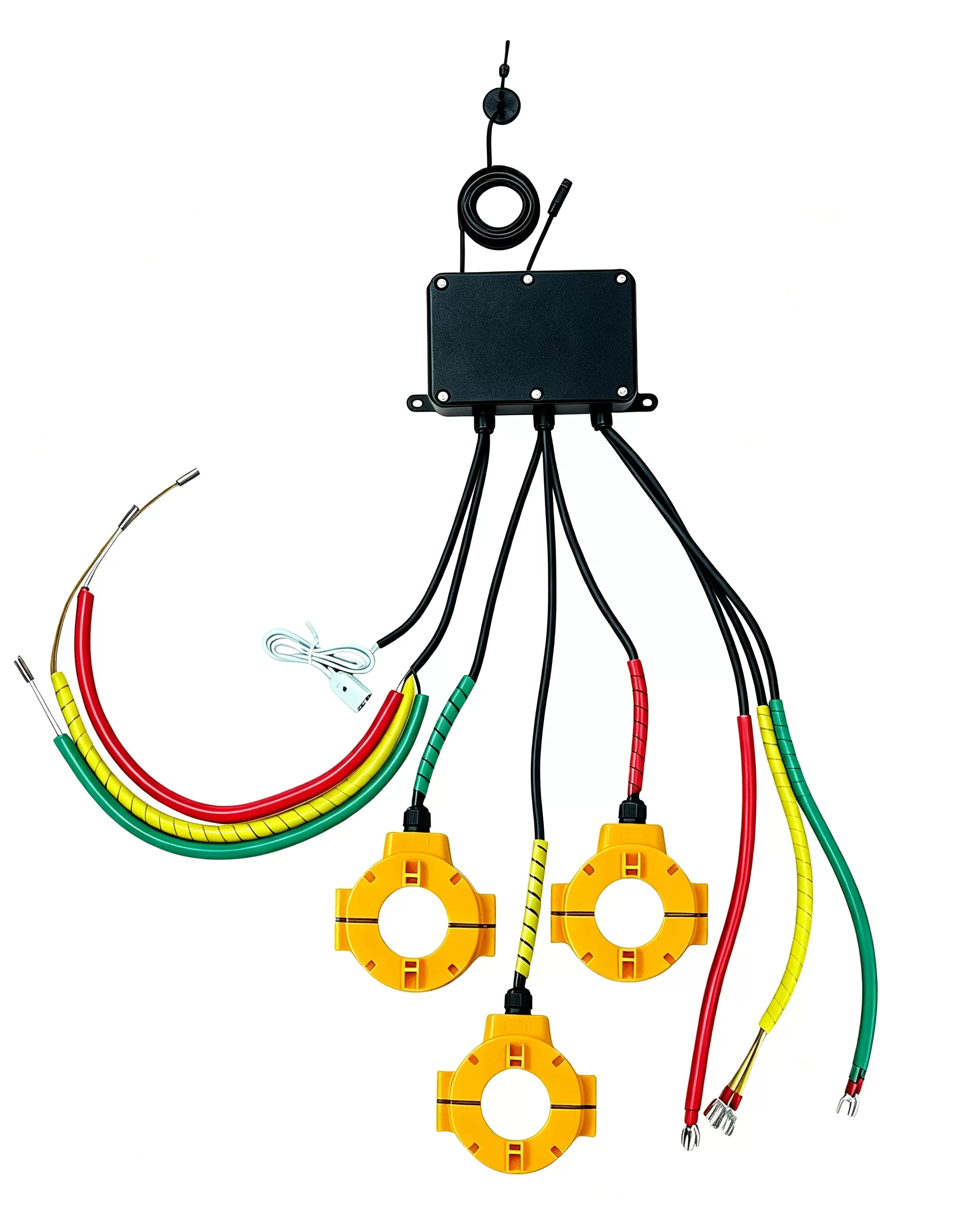
Grounding-box Monitoring Device 
CT Passive Temperature-measuring Kit
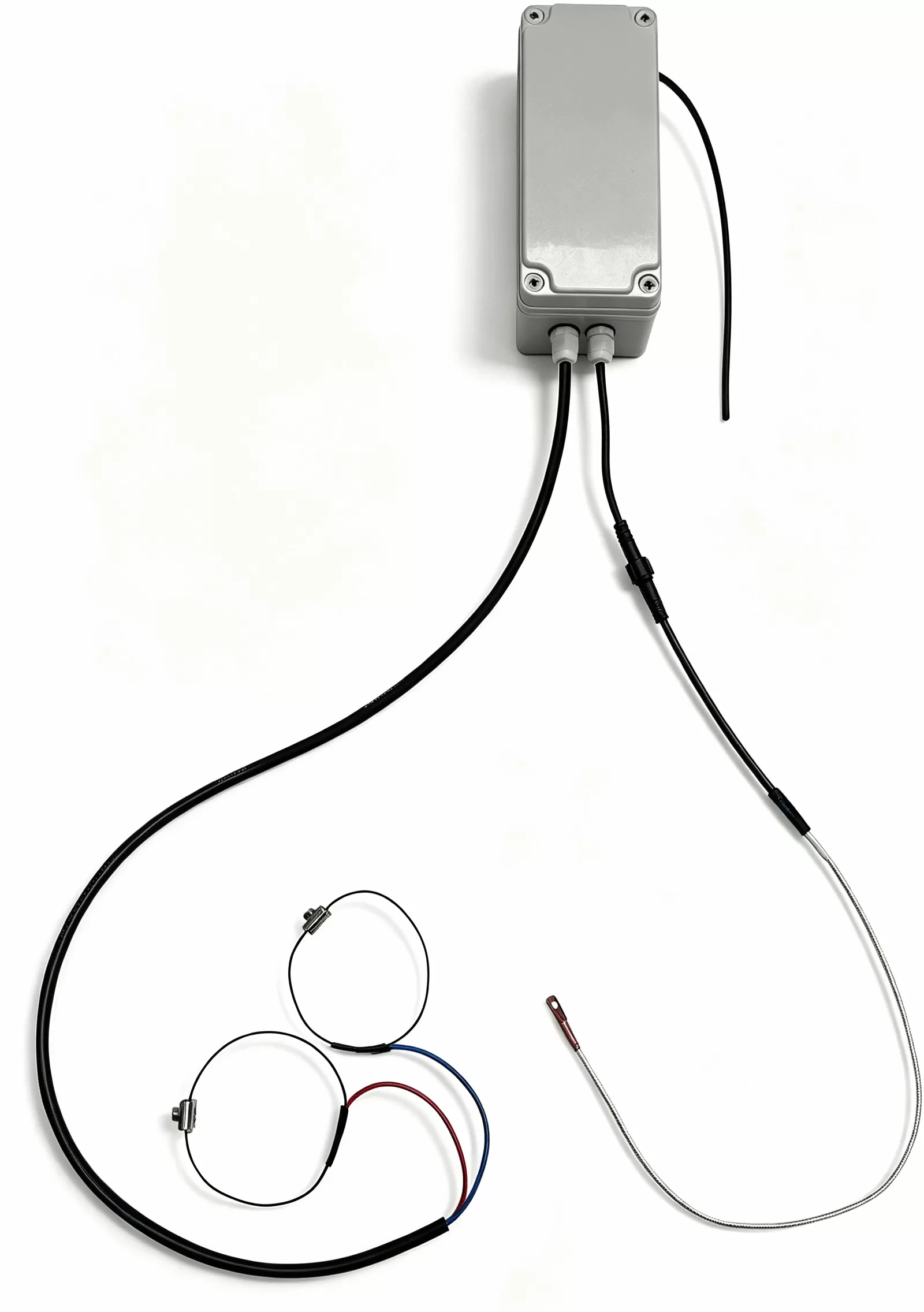
Cable Leakage-monitoring Device

HAOSHENGBeing Smart, Being Intelligent
From initial concept to final development, our expert product engineers deliver tailored hardware and software solutions-ready to assist you immediately.
Work with trusted partner.
Get Fast, Accurate Quotes Tailored to Your Project
Access complete product information, specifications, and data sheets
Explore Comprehensive Product Details