


Smart Power‑Environment Monitoring System Solution
Smart Power‑Environment Monitoring System Solution
1. System Background
Construction Background & Basis
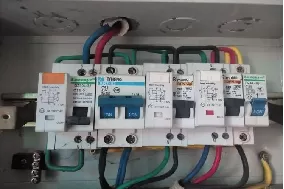
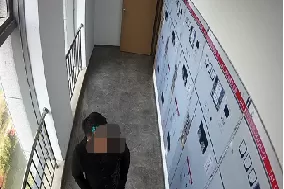
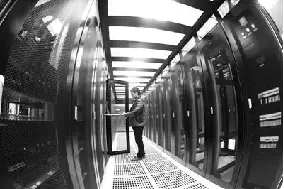
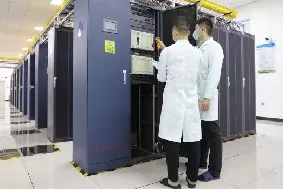
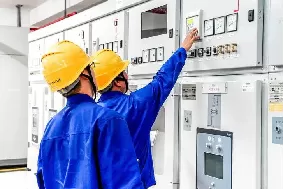
Power distribution rooms feature large quantities, wide distribution, scattered deployment, diverse geographical conditions, extensive coverage and numerous end‑users. Their operation is easily affected by user capacity expansion and urban construction. Traditional solutions adopt 24‑hour on‑site duty, scheduled manual inspection, as well as independent alarm, video and environment monitoring subsystems. However, these approaches have obvious drawbacks:
- Independent operation of isolated subsystems leads to poor unified management. Monitoring devices cannot be fully IoT‑enabled, so operators cannot obtain real‑time on‑site status.
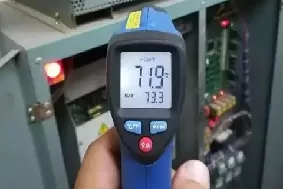
- Manual paper‑based records are widely adopted for patrol tasks in power‑distribution sites. Problems such as surrogate signature, time‑consuming statistics and lack of real‑time monitoring frequently occur.
- Multiple parallel subsystems bring high capital investment and high O&M costs. Manual scattered inspections consume excessive manpower and time.
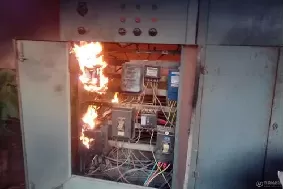
- Without real‑time monitoring, property losses may occur. Manual on‑site operations bring significant safety risks.
Industry Pain Points
System Requirements
- Guarantee stable equipment operation The power‑environment monitoring system collects multi‑parameter data of power distribution rooms and data centers in real‑time. It detects and handles abnormalities promptly to ensure stable operation and high availability of field equipment.
- Compliance with regulatory requirements Many industries impose strict regulations, standards and guidelines for data security and equipment management. This monitoring system helps enterprises satisfy compliance requirements and mitigate potential risks.
2. System Solution
System Overview
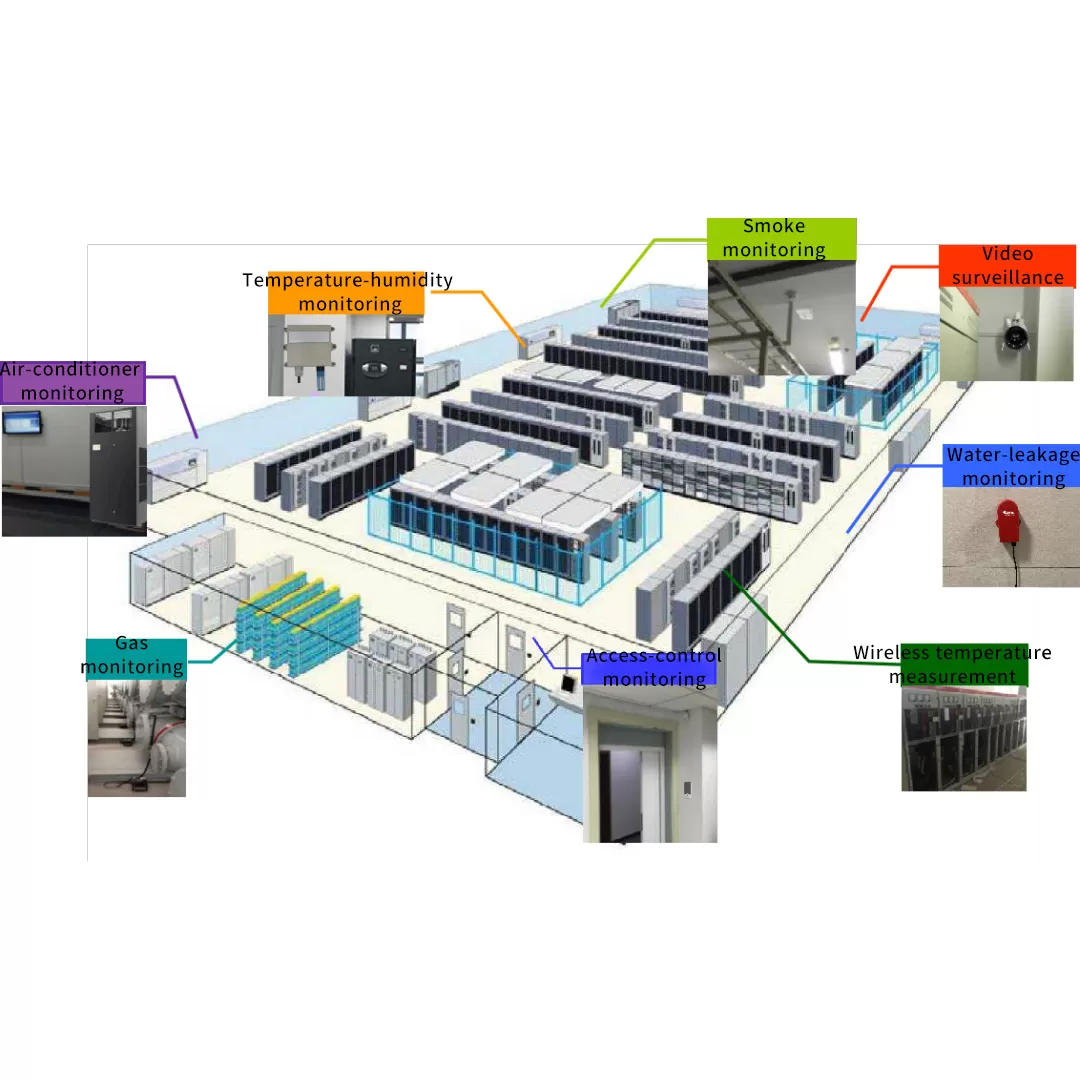
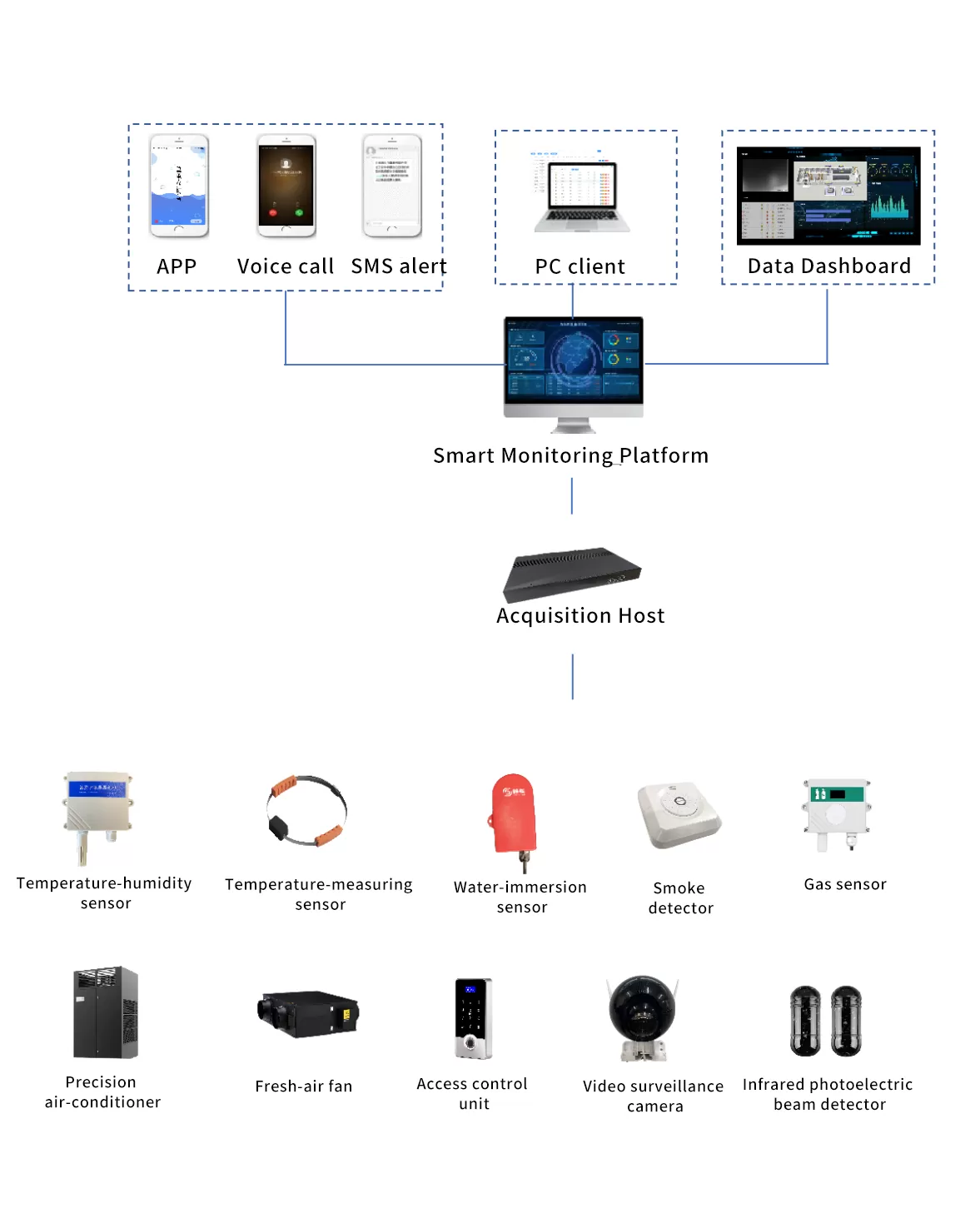
The power‑environment monitoring system is an IoT‑ and sensor‑based solution for real‑time monitoring and management of temperature‑humidity, access control, water immersion, smoke and other site conditions. Edge‑layer devices upload data to the monitoring platform. Administrators can view device status at any time, receive early warnings and respond to anomalies in a timely manner, realizing Telemetry, Teleindication, Telecommand and Teleadjustment (Four‑Remote Functions).
Mainly deployed in power distribution rooms, computer rooms and data centers, this system improves equipment reliability, stability and utilization while cutting O&M costs. With expanding scale and increasing complexity of facilities, the system has gained wider adoption across industries.
Four‑Remote Functions: ‑ Telemetry:Remote measurement ‑ Teleindication:Remote status signal acquisition ‑ Telecommand:Remote control ‑ Teleadjustment:Remote parameter adjustment
Design Principles
Openness Supports interconnection with various station‑end devices, sensors, controllers and cameras.
Unification Enables centralized management of diverse station‑end devices, realizing unified convergence for environment monitoring, video surveillance, lighting and security protection.
Intelligence Supports customized monitoring strategies for different sites. Flexible configuration for different functional departments to satisfy diversified monitoring demands.
Scalability For future expansion of monitoring sites and devices or system upgrading, only software configuration is required.
User‑Friendly Operation Platform functions match practical requirements with good operability. O&M staff can master operation after simple training.
High Reliability Station‑end devices can run offline independently. Local faults will not break the whole platform. Modular hardware structure facilitates troubleshooting and replacement. The platform supports concurrent processing of multiple events.
System Topology Diagram
System Functions
Video Surveillance
Remotely acquire device information and identify operating status of equipment and on‑site environment.
Intelligent Inspection
Standardized remote online patrol workflow. Multiple inspection modes supported via video remote viewing to realize unmanned and visualized remote site patrol.
Linked Control
Upon temperature/humidity alarms, fresh‑air systems or air‑conditioners are triggered for cooling, dehumidification and ventilation to realize automatic environment regulation. Access control, lighting, air‑conditioners and fans support automatic program‑driven control, local manual control and remote control.
Environment Monitoring
Real‑time collection, upload and analysis of temperature, humidity, gas concentration and water‑immersion data inside power‑distribution rooms. Generate graphic reports for real‑time monitoring, statistical analysis and historical data query.
Access Control Management
Centralized management for staff authorization, including access card authorization, permission assignment, card‑swiping logs, operation records and remote access control.
Lighting Control
Remote management of indoor lamps to improve energy‑saving efficiency. Cooperate with video surveillance to compensate insufficient illumination and avoid blurry camera footage.
Water‑Immersion Monitoring
Water‑immersion sensors are installed at key monitoring positions. Alarms will be triggered once water leakage occurs.
Intrusion Alarm
When intrusion events are detected, cameras automatically track targets and start recording. Audible‑visual alarms activate, indoor lamps turn on automatically at night. Alarm pop‑ups are displayed on monitoring dashboard together with electronic map presentation.
3. Software Platform
Data Dashboard
Visualize trends, anomalies and patterns from smart monitoring platform data. Aggregate and analyze information including device online status, monitoring metrics and site geographic locations.
Web‑Based Client
‑ Electronic Map Monitoring ‑ Video Surveillance ‑ Access Control Monitoring ‑ Equipment Monitoring ‑ Water‑Immersion System ‑ Temperature‑Humidity System ‑ Air‑Conditioner System
Mobile Application
‑ Login Page ‑ Home Dashboard ‑ Alarm Messages (Real‑time Alarms / Historical Alarms) ‑ Environment Monitoring ‑ Device Control ‑ Statistics & Curve Analysis
4. Main Hardware Products
IoT Intelligent Data Acquisition Host
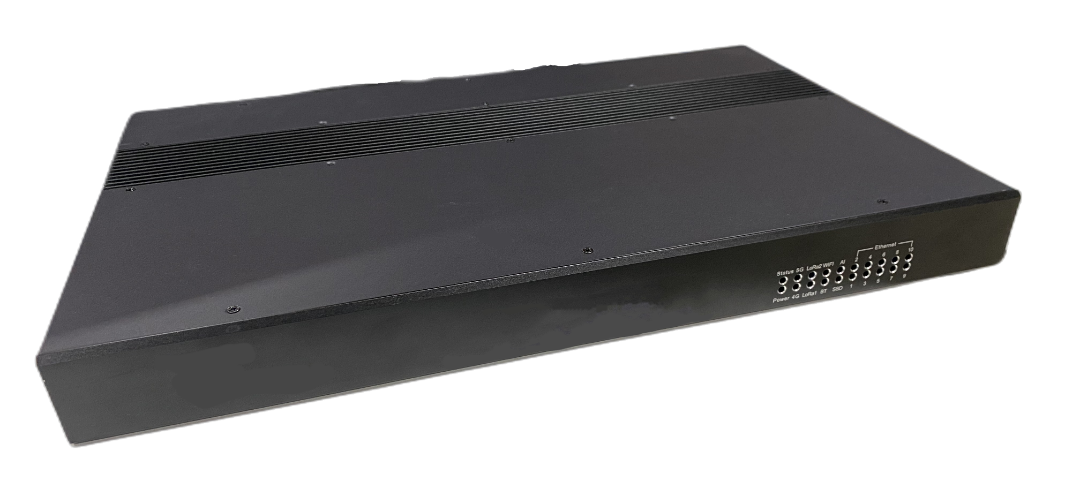
Highly‑integrated core IoT node hardware. It implements data acquisition, transmission, intelligent analysis and logic control. It identifies, monitors, warns, links and controls IoT field nodes, forwards data to the smart monitoring platform and executes platform‑issued control commands.
Product Features
- Combinable & expandable access functions. Rich intelligent interfaces support flexible module configuration according to user demands. New functional modules can be imported on existing architecture.
- Rich data acquisition capacity: supports video, access‑control, temperature‑humidity, smoke and fire‑protection data collection.
- Mixed networking support for terminal sensors and acquisition modules via RS485, LoRa for convenient field deployment.
- Remote data acquisition over NB‑IoT, 4G and LoRa for communication with software platform data center.
- Multi‑open‑protocol interconnection: MODBUS‑TCP/RTU, MQTT and other communication protocols.
- Local offline monitoring. Works with standard cabinets for parameter configuration, status monitoring and local device control.
Access Capacity List
Item | Description | Item | Description |
|---|---|---|---|
Wireless Temperature Measurement | Supports passive wireless temperature monitoring for switchgears & cables; max. 240 temperature measuring points | Security Monitoring | Supports infrared dual‑detector, infrared beam, vibration sensor and access‑control devices |
Air‑Conditioner Control | Remote & linkage control for indoor air‑conditioners; max.15 air‑conditioner control channels & 32 temperature acquisition channels | Gas Monitoring | SF₆, O₂, O₃, NO monitoring, alarm and ventilation‑fan linkage |
Fresh‑Air System | Intelligent control for primary & secondary fresh‑air fans | Environment Monitoring | Temperature, humidity and water‑immersion signal input |
Lighting Control | Remote & linkage control of indoor lamps | Fire‑Protection Monitoring | Smoke & thermal‑fire alarm signal input |
Hardware Introduction
Temperature‑Humidity Sensor Installed in power‑distribution rooms to collect real‑time temperature and humidity values and detect over‑temperature risks.
Passive Temperature Sensor Mounted on heat‑generating nodes of power‑distribution equipment. Temperature data is transmitted via radio frequency to achieve complete high‑voltage isolation.
Wireless Temperature Gateway Real‑time temperature monitoring. Early warnings for over‑heating nodes to guarantee reliable equipment operation.
Water‑Immersion Sensor Deployed at water‑leakage‑prone positions such as doorways and windows. The monitoring platform generates alarm notifications when leakage occurs.
Gas Sensor Monitors SF₆, O₂, O₃, NO gas concentration, triggers alarms and links ventilation fans.
Smoke Detector Mounted above cabinets in power‑distribution rooms. Smoke events trigger platform alarm notifications.
Video Surveillance Camera High‑definition cameras enable clear live‑view even under low‑light conditions.
Access‑Control Unit Supports local key unlocking, remote platform unlocking and card‑swiping access. Card‑swiping logs are stored; on‑site sound prompt and platform alarm are triggered upon door opening.
Infrared Photoelectric Beam Detector Forms virtual security perimeter. Alarms will be generated when light beams are blocked by passing objects.
Precision Air‑Conditioner Maintains precise indoor temperature and humidity, providing air circulation, cooling, dehumidification and heating functions.
Fresh‑Air Fan Provides ventilation & air exchange, dehumidification, toxic‑gas purification, oxygen supplement and dust reduction.
5. Application Scenarios